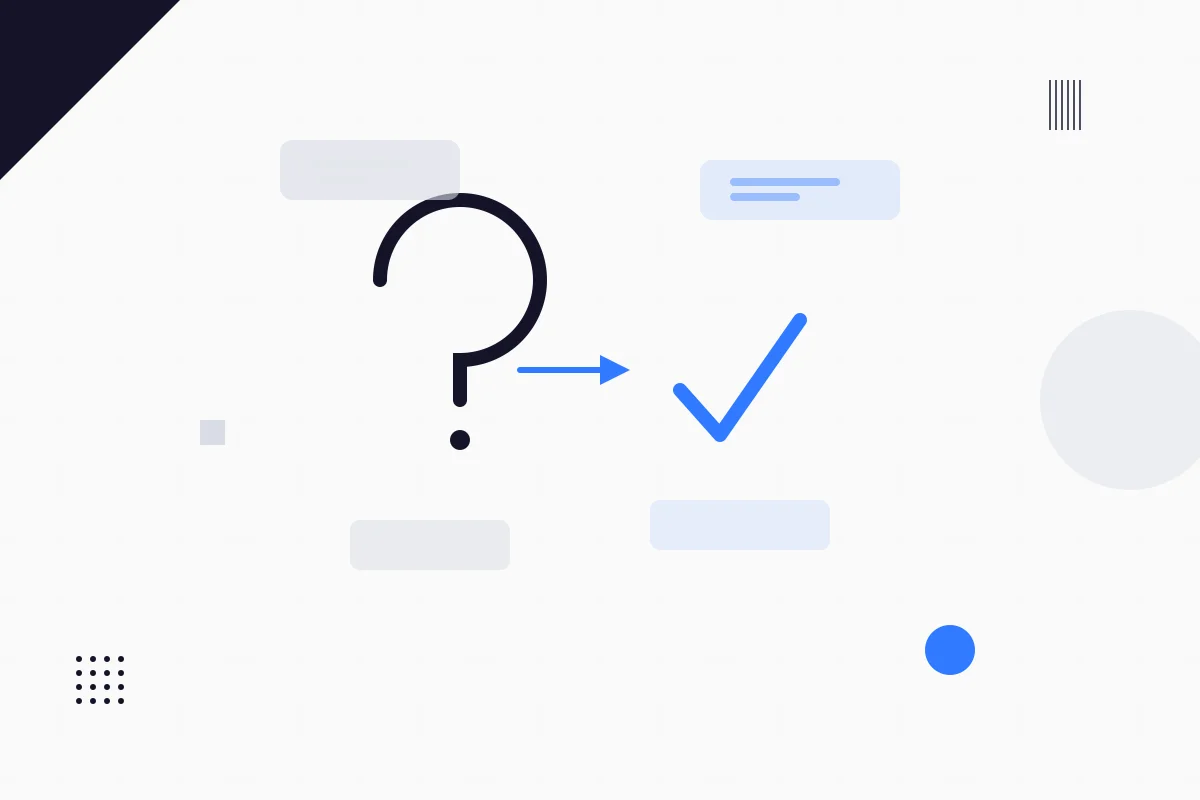
@mentionFili with a security questionnaire vendor assessment compliance review due diligence form file — it fills the questionnaire and @mentions you only when it has questions.
AI
🏠
💬
+
Acme Inc.✎
Jump to...
Channels
# vendor-security
# sales-deals
# engineering
Direct messages
James
Fili
Christina
# vendor-securityStripe DDQ · due Friday
👥 4📌⋯
James10:42 AM
@Fili pls fill this
📎Stripe_Vendor_Security_DDQ.xlsx
FiliAPP10:43 AM
@Christina Couldn't find specific info on this: "How do you encrypt your data?". Can you provide some info?
Christina10:45 AM
We use AES-256 at rest via AWS KMS — I'll add the SOC 2 excerpt to the knowledge base. Key rotation is automatic every 90 days.
FiliAPP10:47 AM
Here is the DDQ — 248/265 questions answered.
@Christina@James please approve your categories here:
Describe encryption algorithms, key management, and storage controls for customer data at rest.
Ongoing
We use AES-256 at rest via AWS KMS. Key rotation is automatic every 90 days. SOC 2 Type II covers encryption controls.
1
—
2
Security
How do you encrypt data in transit?
TLS versions, certificate management, and internal service-to-service encryption.
Answered
All external traffic uses TLS 1.2+. Internal APIs use mTLS between services. Certificates are managed via AWS ACM with auto-rotation.
2
F
—
3
Security
Do you have a documented incident response plan?
IR plan scope, roles, communication procedures, and testing frequency.
Answered
Yes. Our IR plan is reviewed annually and tested via tabletop exercises every 6 months. SOC 2 Type II covers incident management controls.
3
—
4
Security
Describe your access control model for production systems.
RBAC, least privilege, MFA requirements, and privileged access management.
Answered
Production access is RBAC via Okta with mandatory MFA. Privileged access requires approval workflow and is logged in Datadog.
1
—
5
Compliance
How often are vulnerability scans performed?
External and internal scanning frequency, remediation SLAs.
Answered
Weekly automated scans via Snyk and quarterly external penetration tests. Critical findings remediated within 7 days.
2
—
—
6
Compliance
List all subprocessors that process customer data.
Subprocessor name, purpose, location, and data types processed.
Ongoing
Click to add...
—
F
—
7
Compliance
Do you maintain SOC 2 Type II certification?
Certification status, scope, and most recent audit report availability.
Answered
Yes. SOC 2 Type II report available under NDA. Scope includes Security, Availability, and Confidentiality trust criteria.
4
—
8
Operational
Describe your employee security training program.
Onboarding training, annual refreshers, and phishing simulations.
Pending
Click to add...
—
—
9
Security
Is multi-factor authentication enforced for all users?
MFA coverage for workforce, contractors, and privileged accounts.
Answered
MFA is required for all users via Okta. Hardware keys enforced for production access.
2
—
10
Security
How is customer data logically segregated in multi-tenant environments?
Tenant isolation model, database separation, and cross-tenant access controls.
Verified
Each tenant has a dedicated schema with row-level security policies. Cross-tenant queries are blocked at the ORM layer.
3
F
—
11
Operational
Describe your business continuity and disaster recovery program.
RTO/RPO targets, backup frequency, failover testing, and geographic redundancy.
Answered
RTO 4h / RPO 1h. Daily encrypted backups with cross-region replication. DR tested annually.
2
—
12
Compliance
Do you perform background checks on employees with data access?
Pre-employment screening scope and periodic re-checks.
Answered
Yes. Background checks for all employees and contractors with production or customer data access.
1
—
—
13
Security
How are security patches deployed to production systems?
Patch management process, SLAs by severity, and emergency patching.
Answered
Critical patches within 72 hours. Monthly maintenance window for non-critical updates via automated Ansible playbooks.
1
—
14
Operational
Is a formal change management process documented and followed?
Change approval workflow, segregation of duties, and audit trail.
No evidence
Click to add...
—
F
—
15
Compliance
How long are audit and application logs retained?
Log types, retention periods, immutability, and access controls.
Answered
Application logs retained 13 months. Audit logs 24 months in immutable S3 with Object Lock.
2
—
—
16
Compliance
Do you support customer-initiated data deletion requests?
GDPR/CCPA erasure workflow, timelines, and verification.
Ongoing
Yes. Deletion requests fulfilled within 30 days via automated pipeline with confirmation email.
—
—
17
Security
Describe your secure software development lifecycle (SSDLC).
Code review, SAST/DAST, dependency scanning, and release gates.
Answered
PR reviews required, Snyk + Semgrep in CI, DAST on staging, no deploy without passing security checks.
3
F
—
18
Security
Are production environments separated from development and staging?
Network segmentation, account isolation, and data masking in lower environments.
Answered
Fully separate AWS accounts per environment. Production data never copied to lower environments.
2
—
19
Security
How do you manage third-party API keys and secrets?
Secret storage, rotation, access logging, and revocation procedures.
Pending
Click to add...
—
F
—
Stop losing deals to security reviews
Enterprise buyers won't sign until their security team approves you. Each questionnaire takes ~8 hours on average — and the deal sits in limbo until you're done. Loopio and Conveyor are for GRC teams at scale — FillBase is for the CTO or VP Engineering still owning the DDQ at a 20–200 person SaaS company.
# vendor-securitydue Friday
James10:42 AM
@Fili pls fill this
📎Vendor security workbook
FiliApp10:47 AM
Here is the DDQ — 248/265 questions answered with source citations.
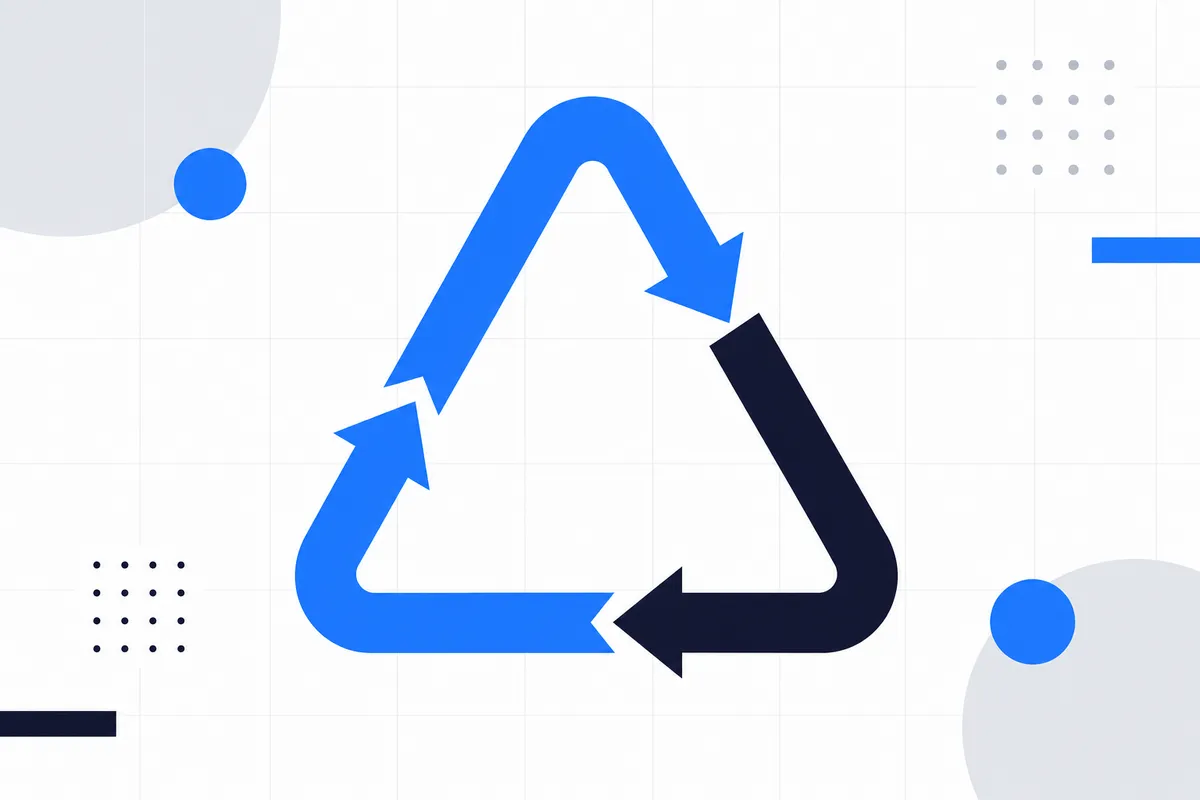
Upload SOC 2 once. Forward the next DDQ from your prospect's security team. Review cited answers and send — while your VP tracks the close.
1
Link your policies
Trust Center website, Google Drive, Vanta, Drata, and more. FillBase ingests everything and searches your knowledge base in real-time.
2
Forward a DDQ
Email, Slack, or upload — any format. FillBase parses every question, matches your knowledge base, and auto-completes ~90%.
# vendor-securitydue Friday
James10:42 AM
@Fili pls fill this
📎Vendor security workbook
FiliApp10:47 AM
Here is the DDQ — 248/265 questions answered with source citations.
Vendor DDQ — Questionnaire
Review cited answers before you send it back.
platform.fillbase.app
3
Review & ship
Every answer has a source citation. Approve, export in the original format, and move on. The next DDQ is faster.
Back to project Questionnaire
#
Category
Requirement
Status
Answer
Evidence
Reviewers
1
Security
How do you encrypt data at rest?
Answered
We use AES-256 at rest via AWS KMS. Key rotation is automatic every 90 days. SOC 2 Type II covers encryption controls.
1
—
2
Security
How do you encrypt data in transit?
Answered
All external traffic uses TLS 1.2+. Internal APIs use mTLS between services. Certificates are managed via AWS ACM with auto-rotation.
2
—
3
Security
Do you have a documented incident response plan?
Answered
Yes. Our IR plan is reviewed annually and tested via tabletop exercises every 6 months. SOC 2 Type II covers incident management controls.
3
—
4
Security
Describe your access control model for production systems.
Answered
Production access is RBAC via Okta with mandatory MFA. Privileged access requires approval workflow and is logged in Datadog.
1
—
5
Compliance
How often are vulnerability scans performed?
Answered
Weekly automated scans via Snyk and quarterly external penetration tests. Critical findings remediated within 7 days.
2
—
Results
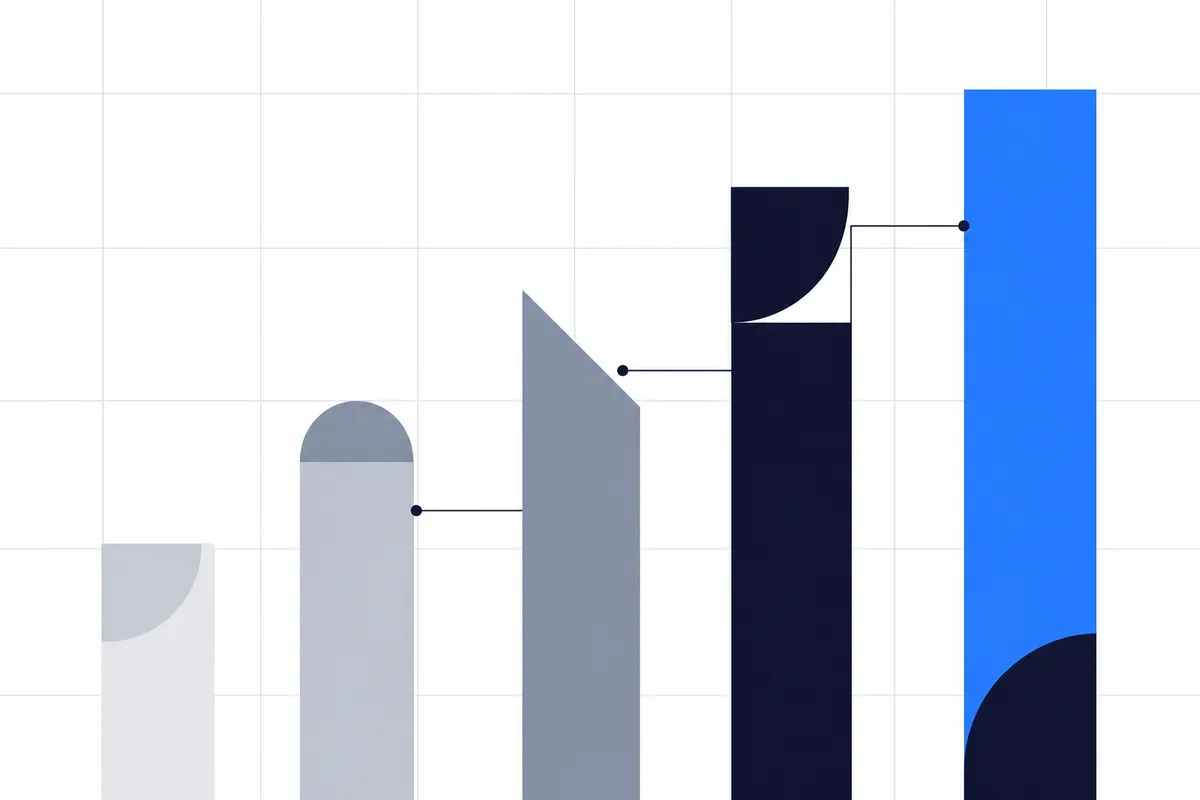
8 hours → 30 minutes. Deals move again.
Stop being the bottleneck between security review and signature. Your VP gets a completed DDQ in hours, not weeks.
Jan
Feb
Mar
Apr
May
June
July
Aug
Sep
Oct
Nov
Dec
~30 min
to complete a typical DDQ
~90%
auto-completed on first pass
100%
answers source-cited
0
extra dashboards to babysit
Founder story
Why we built FillBase
From filling DDQs at midnight to shipping answers the same hour they arrive.
Built after one too many midnight DDQs
“I was the guy filling DDQs at midnight in Google Sheets so our deals wouldn't stall. After the third 200-question spreadsheet I said enough and built FillBase. Now our DDQs go out the same hour come in.”
Andrei-Dragoș Pătrașcu
CEO @ Tendersight
3,000+ Integrations
Works with the stack you already have
3,200+ apps — Vanta, Drata, Slack, Confluence, Notion, Okta, Jira, Google Workspace, ServiceNow, Datadog, and everywhere else your SOC 2 evidence lives.
Pricing
Choose the right plan for you
Less than hiring a junior GRC analyst ($6K/mo). Trivial if it unblocks one enterprise deal your VP has been waiting on.